When energy becomes abundant, the first luxury is not spectacle. It is the end of bargaining with the weather inside one’s own home.
On the hottest night of the year, Mara wakes because the room is quiet, not because it is warm. The building has spent the afternoon moving heat into a shared underground store. No compressor starts beside her window. No application asks permission to optimize her sleep. The ceiling has simply remained cool.
Her apartment belongs to a future in which clean electricity is plentiful, but land, copper, timber and attention remain finite. This distinction shapes everything. Energy is spent generously where it protects health: cooling during heat waves, filtration during smoke, light where vision requires it, hot water without domestic negotiation. Material expansion is treated more cautiously.
The apartment is smaller than the houses once advertised as futuristic. Its rooms are less obedient. At breakfast, a wall of storage slides twenty centimetres and releases a work surface. At night, the same movement creates a sheltered sleeping alcove. Nothing transforms theatrically. A handle, a rail and a counterweight allow one room to keep several agreements with the day.
Abundant power could have produced endless motorized furniture. Instead, most movement is manual. Motors are reserved for loads a body should not have to carry and for residents who need them. Designers learned that every invisible actuator becomes a visible maintenance problem eventually. The future did not eliminate effort; it became more selective about whose effort was being used.
In the kitchen, appliances coordinate with the building but remain understandable alone. The oven stores heat for the evening peak. The refrigerator can coast through a grid interruption without warming. Both have mechanical overrides and repair panels held by ordinary screws. Their intelligence is not measured by conversation. It is measured by how little expertise they demand from a tired person.
The wall display shows energy in consequences rather than currency. It does not flash red when Mara boils water. It explains when the neighborhood store is full, when the building is drawing directly from sunlight and when postponing a load would help another district. Information is offered without turning the resident into an unpaid system operator.
Outside, the façade changes slowly. Shading panels follow seasons, not minute-by-minute data. Windows open. Cross-ventilation remains useful even in a building capable of manufacturing perfect air. Abundance has not made climate irrelevant; it has made emergency less frequent and choice more humane.
The most important change is distribution. In older cities, comfort accumulated in rooms already protected by money. The quietest bedroom, cleanest air and safest temperature were private achievements. Here, thermal safety is part of the building code. Accessible controls are not an upgrade package. The lift and cooling system share backup power before decorative lighting receives any.
This arrangement required politics, not invention. Plentiful energy did not automatically decide who received it. For several years, towers used cheap electricity to illuminate empty façades while older apartments overheated nearby. Abundance amplified existing priorities until the waste became impossible to defend. The technical breakthrough mattered only after a social one: comfort was recognized as infrastructure.
Mara’s building still has limits. During smoke season, filters need replacement. Storage tanks occupy space that might otherwise become parking. Copper must be recovered; insulation must be repaired; the cooling store must be inspected by people whose labor cannot be made infinite. A system that hides these costs would merely relocate scarcity.
At noon, the apartment prepares for Mara’s father, whose movement has changed since his last visit. A counter lowers. Door resistance softens. The bathroom rail was installed from the beginning rather than added as evidence of decline. Adaptability is treated as a normal property of time, because every household eventually becomes different from the one imagined on move-in day.
By evening, the city is bright but not flooded with light. Cheap energy once encouraged the fantasy that everything could remain permanently visible. Ecologists, astronomers and exhausted residents argued otherwise. Street lighting now follows feet and wheels, leaving trees, upper windows and migration routes in darkness.
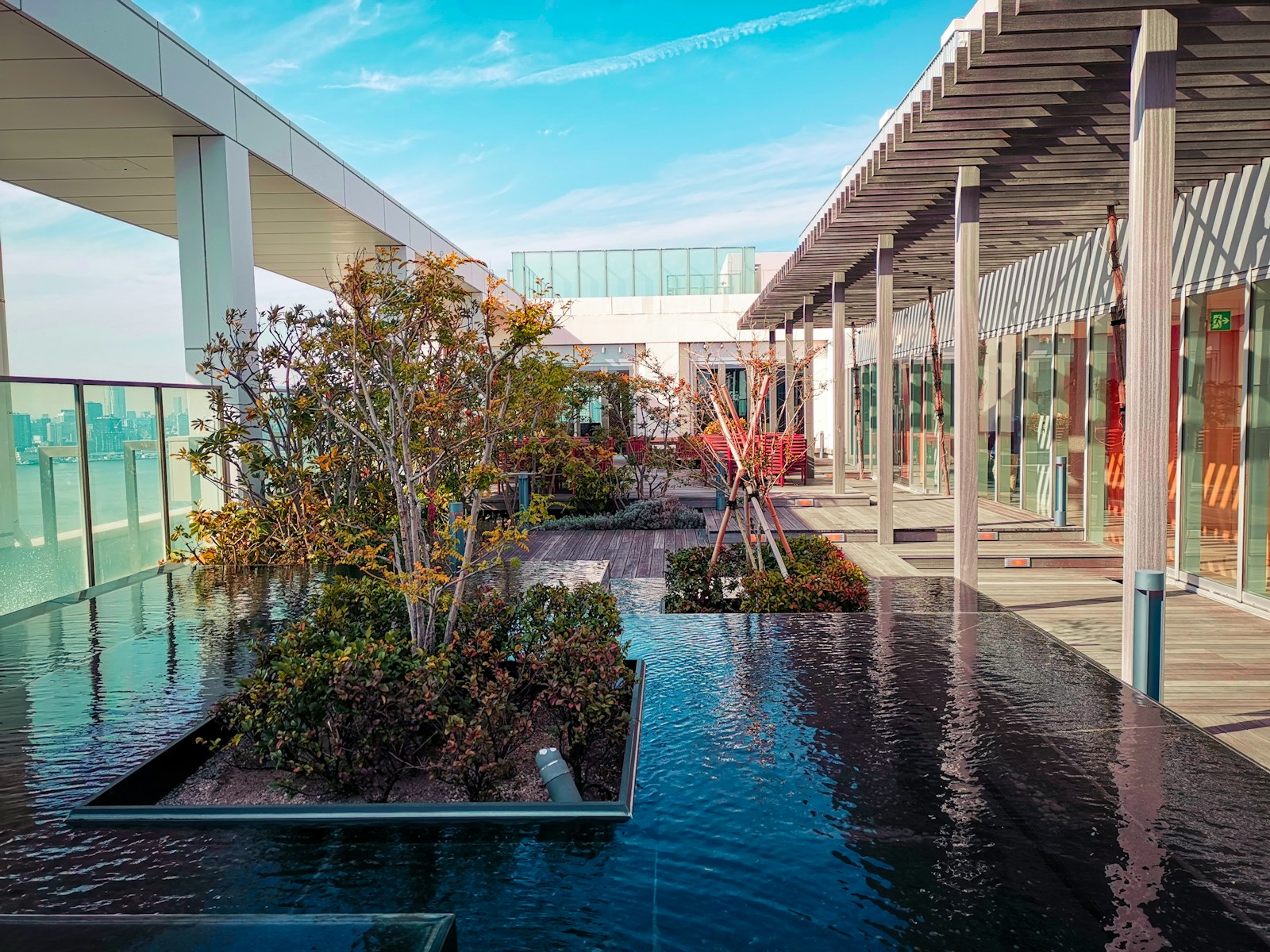
The future home photographs poorly. It contains no levitating table and no wall-sized interface. It looks calm. It survives extreme weather, admits repair and adapts without demanding demolition. Its greatest technology is a sequence of competent decisions that allow ordinary life to proceed without fear of the next bill or heat warning.
Abundance becomes meaningful only when it reduces precarity rather than increasing appetite. The measure is not how much energy the house can consume. It is how many forms of anxiety no longer have to enter the room.