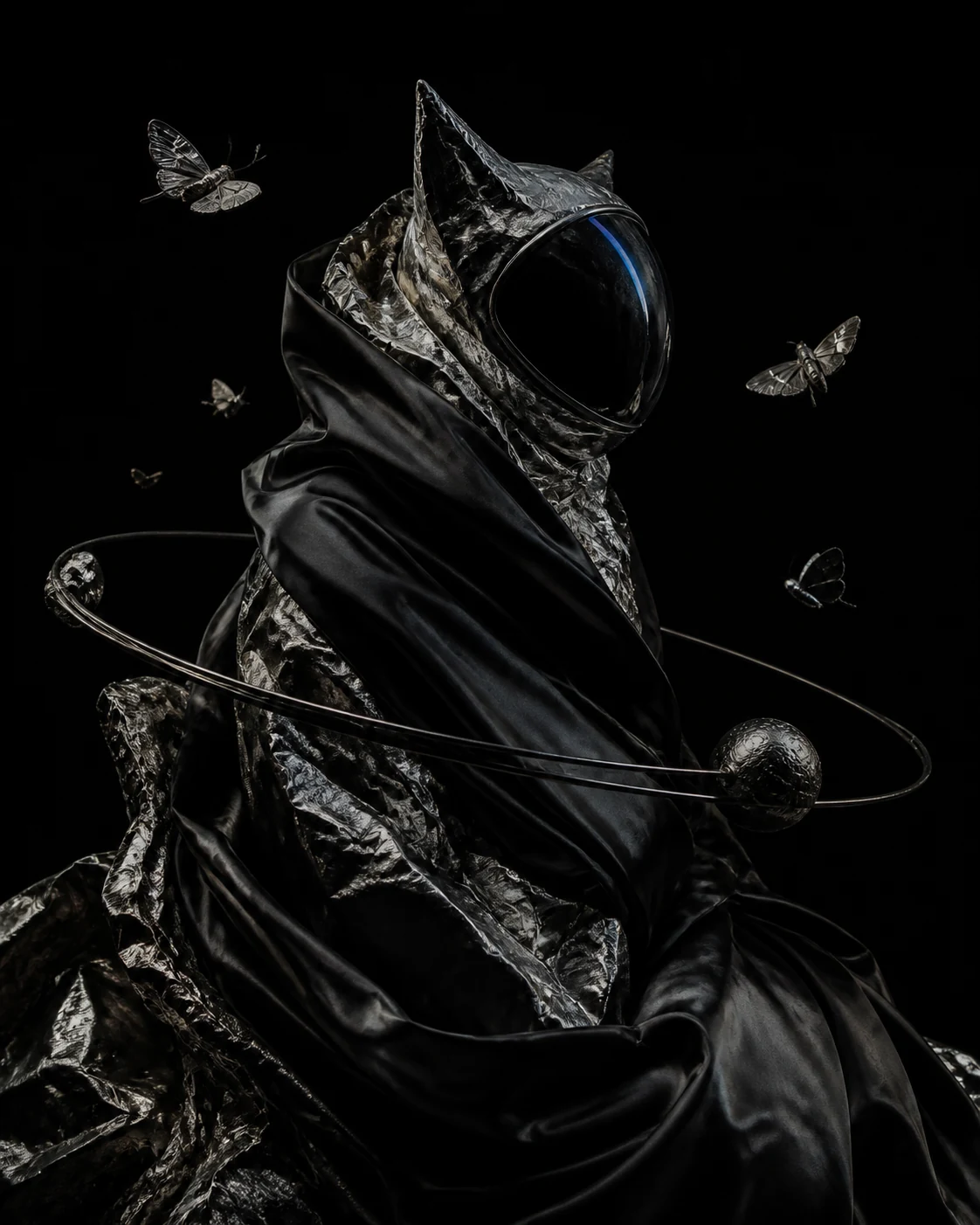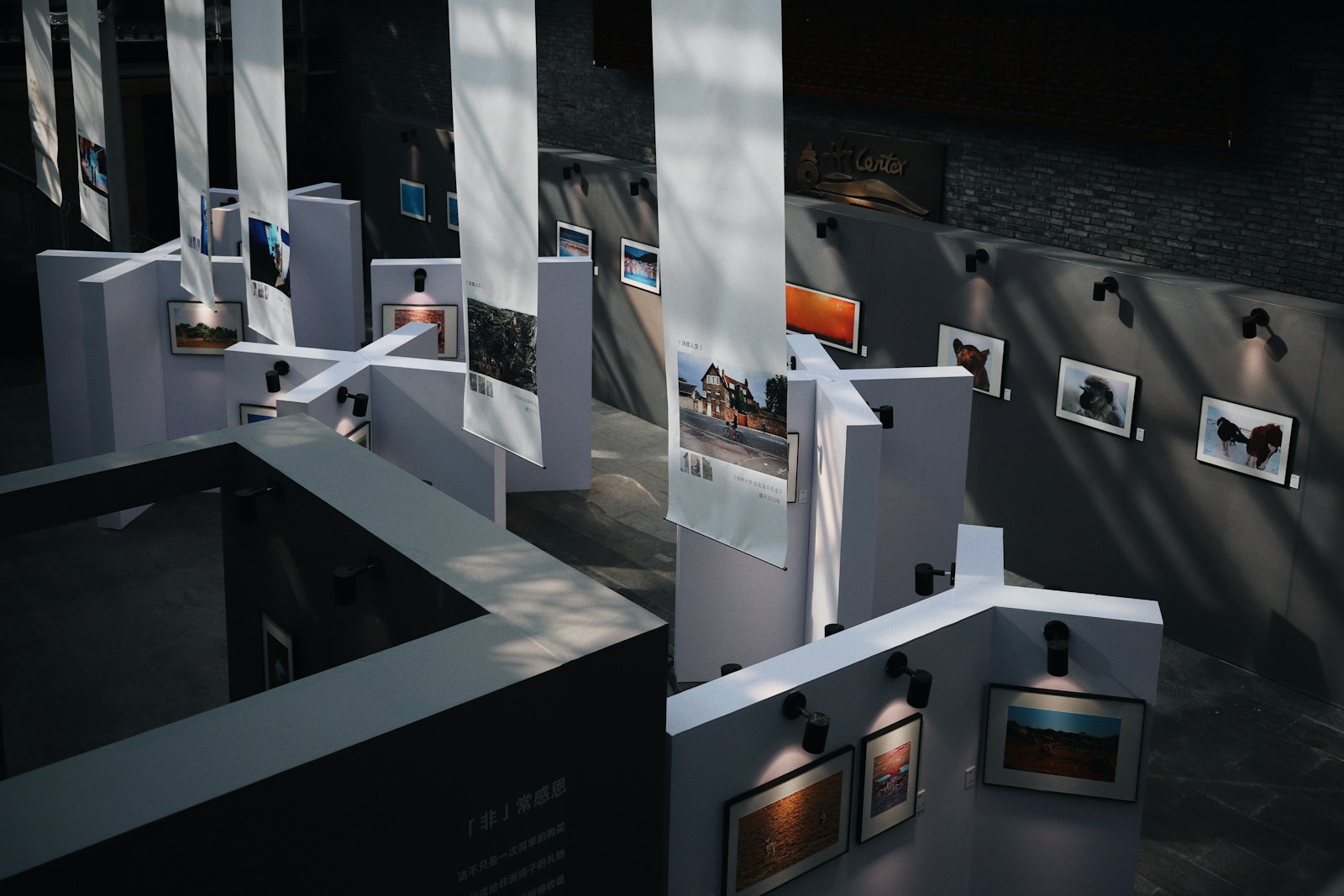
The museum contains no fakes. Every object is authentically impossible.
It stands behind the central railway station, though no passenger has seen it from a train. The entrance appears only after someone has lost an object that cannot be described accurately enough for the lost-property office: the smell of a childhood hallway, an answer understood too late, the exact courage possessed on a particular Tuesday.
There is no ticket desk. A guard asks what you hope not to find. Whatever you answer determines the first gallery.
Today it is a circular room containing a sphere no larger than an apple. The label says only: Afternoon, held temporarily; origin disputed. The sphere emits the color of sunlight entering a room at four seventeen, after rain, in a year each visitor remembers differently. Some recognize a grandmother’s kitchen. Others insist it belongs to a hotel they have never visited.
Conservators have found no pigment and measured no radiation. The sphere illuminates nothing around it. Its color exists only as recognition. Every attempt to photograph it produces an ordinary grey ball, which has made it the museum’s most reproduced and least documented object.
The second gallery contains a transparent chair. It becomes opaque when the person sitting in it feels lonely. This sounds simple until the chair remains clear beneath people who are visibly grieving and turns white beneath couples holding hands.
The museum once hired psychologists to interpret the results. Their presence changed them. Visitors began performing loneliness, resisting it or watching themselves for evidence. The chair clouded at random. Since then, it has been shown without explanation. The label was moved to the exit, where it can no longer instruct the feeling it claims to reveal.
Downstairs, a long table displays tools for conditions without instruments. There is a compass for difficult conversations. Its needle does not point north; it turns toward the sentence both people are avoiding. The device is accurate but unpopular. Most users place it in a drawer and continue discussing logistics.
Beside it lies a pocket window. When opened, it shows the view from the place where the holder would feel most able to begin again. The image changes with circumstance. A prisoner once saw the room he had left. A traveller saw the airport gate behind him. A child saw the underside of a table during a family dinner.
The museum does not record these views. Some knowledge becomes false when collected.
In a dim alcove, a clock measures attention. Its hands move only while someone is fully present. It may complete an hour during a brief piece of music and remain still through an entire meeting. Schools wanted to purchase copies until administrators understood that the clock would measure the institution as well as the student.
The upper floor is dedicated to failed inventions. A blanket designed to distribute courage grew heavier around the most frightened person. Shoes that shortened familiar journeys made returning home almost instantaneous and leaving nearly impossible. A machine capable of translating apologies removed every hesitation and made them sound insincere.
Failure is not treated as comedy here. Each object solved the named problem while damaging the human ambiguity surrounding it. The blanket confused courage with absence of fear. The shoes assumed distance was purely spatial. The translator removed the risk that gives an apology meaning.
At the center of the floor stands an empty case reserved for the first object remembered from a place that never existed. Visitors submit thousands of descriptions: a red cup from a dream apartment, a key to a childhood spaceship, a stone carried home from a fictional coast. None has yet appeared. The case is cleaned every morning.
The unfinished wing begins behind temporary walls. Through gaps, one can see technicians preparing a mirror that reflects not the viewer but the person currently remembering them. The ethical committee has postponed its exhibition for eleven years. Nobody can decide whether being remembered is private.
Museums usually stabilize objects by naming their maker, date, material and provenance. Here those categories collapse. The objects have no makers, their dates belong to feelings, and their materials evade instruments. Yet their provenance is strangely precise. They come from desires ordinary life produces constantly: time should slow; distance should soften; memory should become holdable; loneliness should become visible enough to treat.
The failure of these objects to exist does not make those desires unreal. It may describe them more honestly. Practical inventions must pretend the problem is solvable. Impossible objects are free to reveal that every solution changes the person who asked for it.
At closing, visitors pass through an empty gift shop. There are no postcards of the grey sphere, no miniature chairs and no replica compasses. Reproduction would turn contradictions into merchandise and singular encounters into décor.
The guard returns whatever answer was given at the entrance, written on a blank receipt. Outside, the railway station is exactly where it was. Something small is missing from the pocket. Something impossible has become easier to name.