To the editors of the Atlas of the Mystic Outlands: the map you commissioned is enclosed, but its centre will remain blank.
You will assume this is another delay. During the past fourteen months I have sent you three requests for new instruments, two illegible telegrams and a parcel containing sand instead of the promised survey notes. I understand why the accounts department has begun using the word temperamental. Nevertheless, the empty section is neither unfinished nor an artistic objection to deadlines. I erased it myself last night.
The northern and western routes are sound. The distances have been checked by chain, wheel and camel pace. The wells marked in blue held water when tested. The settlements have supplied their preferred names, although several asked to move slightly east on the printed page because they dislike their neighbours. You may publish all of this with the usual confidence.
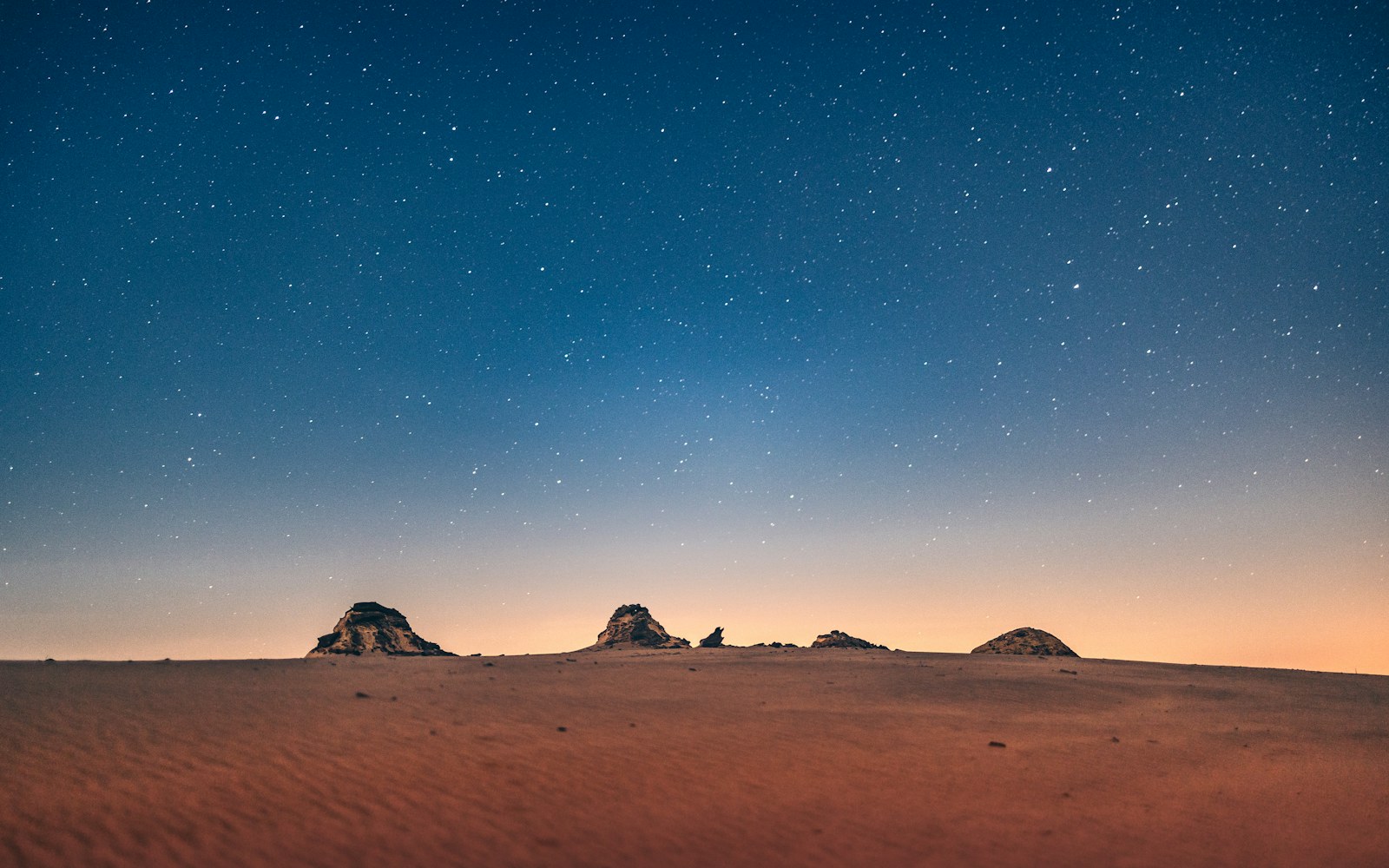
The difficulty begins where the desert acquires a second geography after sunset.
I first noticed it at Camp Nine. My assistant, Vale, woke me because the plane table had become cold enough to gather dew. Three silver lines had appeared across the paper. They were too deliberate to be moisture and too fine to be any mark made by our pens. One crossed a ridge we had climbed that afternoon and continued through the dry basin beyond it.
Vale believed the ink had reacted with mineral dust. I believed Vale had drawn the lines as a joke. We argued until one of them moved.
It did not wriggle or run. It simply occupied a slightly different part of the page whenever we looked away. By dawn all three had disappeared, leaving the ordinary map untouched and both of us embarrassed by how carefully we had watched it.
The following night we placed stones along the nearest silver route. It led behind our camp, passed between two candle plants and descended into the basin. I had catalogued those plants as a probable fungus. In darkness their stems held a green light strong enough to show the bones inside my fingers. Vale touched one. It went out beneath his hand and did not return. Later, at the market, I learned that such plants require eleven years to recover from curiosity.
I did not include that sentence in the botanical appendix. At the time it sounded unprofessional.
The silver road ended at a well absent from every daytime survey. Its surface reflected unfamiliar stars. When Vale held our compass above it, the needle pointed down. We measured the depth and obtained four incompatible answers, each accompanied by the faint sound of a bell.
There are discoveries a cartographer meets with delight. This was not delight. Delight assumes the discovered thing has been waiting to join the known world. The well seemed to be considering whether our world was worth joining.
We followed the road for six nights. It never began from the same place, yet always passed through the valley of pale cloth where the nocturnal market assembles. You will want a full commercial survey. I have not made one.
I can tell you that merchants there sell heat sealed in glass, shade folded into neat dark squares and ceramic flutes that sound before sandstorms. Prices are negotiated through stories rather than currency. Vale acquired a mirror by describing the childhood theft of a red bicycle. The mirror showed him at fifty, still living in the town he had left at seventeen. He covered it with his shirt and carried it for the rest of the expedition without looking again.
I traded my spare watch for an hour of afternoon preserved in a jar. This seemed irresponsible until the temperature fell below freezing. We opened the jar inside the tent. Warm light filled the canvas, bringing with it the smell of dust, leather and somebody else’s kitchen. The watch seller had not sold me heat. He had sold me a particular hour from his own life, and I had burned it for comfort.
Please remove “souvenir glassware” from the draft legend.
Beyond the market we encountered the animals that local accounts call glass foxes. Their bodies are not glass, though the error is understandable. Their fur reflects whatever watches them. As one followed our camp, its flank acquired the orange square of our lantern, the pale movement of Vale’s face and my own hand pretending not to reach for a camera.
The photograph shows an empty dune. Vale is visible only as a brightness at its edge. For two days afterward, mirrors failed to include him unless somebody spoke his name. He stopped writing in the field journal. The final notes in his hand are measurements of ordinary objects: spoon, nine inches; boot, eleven; shadow at noon, none. I think he was testing whether the world still agreed to contain him.
At the beginning of the third week, we reached a stone platform built above a shallow valley. Brass plaques identified nesting places, migration dates and the names of donors from an earlier expedition. Nothing nested there. The local guide, Sera, said animals had once slept in the valley and dreamed the following year’s weather. Surveyors documented every burrow, photographed every species and erected the platform so visitors could observe the phenomenon without causing harm.
The animals left. Weather in the region has been ordinary ever since.
Sera did not accuse the surveyors of destruction. This made the platform worse. It stood in excellent condition, offering a clear view of knowledge after its subject had departed.
From there the silver route divided into seven. My obligation was obvious: establish coordinates, select conventional symbols and return with enough information to make future travel repeatable. We began with the eastern path.
Each evening it shortened. Each morning our recorded distance grew. Landmarks arrived before their own shadows. Once we passed our footprints approaching from the opposite direction, though neither Vale nor I had walked there. Sera watched us calculate for several hours before asking a question no surveying manual had prepared me to answer: “If the road is trying not to become a road, why are you helping it fail?”
I disliked her phrasing because I understood it.
A map does more than describe access. It organizes desire. A blank region invites speculation, but a named route gathers footsteps. Footsteps bring signs, rules, railings, prices and the reassuring removal of everything that cannot survive repetition. We call this opening a place. The place may experience it as closure.
That night I reviewed the work. The central sheet was our triumph: wells, paths, market boundaries, the glass fox range, the platform, all seven roads rendered in black and vermilion with an accuracy no previous atlas could claim. Vale looked at it for a long time. Then he placed the covered mirror face down upon the table.
We erased until dawn.
The market went first, then the well, then six of the seven roads. We left one faint line reaching the edge of the blank region because a map without temptation is merely a warning. The line has shifted twice since then. By the time it reaches your office, it may point somewhere else.
Vale returned by the western route. Reflections have accepted him again, though photographs still place him a fraction too far from other people. Sera remained in the Outlands. She asked me to tell you nothing about her village, so I will report only that it does not exist at the coordinates listed in my earlier telegram.
You hired me to make the desert useful to strangers. I have instead made a map that refuses them one certainty. Deduct the blank paper from my fee if accounting requires satisfaction.
Publish the measured wells. Print the symptoms of heat exhaustion in large type. Warn travellers that darkness is habitat, not vacancy, and that a bright lamp can injure what navigates by stars. Give them enough knowledge to return alive.
But leave the centre untouched. Somewhere inside it, a green plant is spending eleven years repairing the light from a human hand. The least our atlas can offer is room.